Boredom & Mental Vulnerability
Preventing Silent Suffering Before It Becomes Crisis


When Life Feels Empty, Pain Grows Quietly
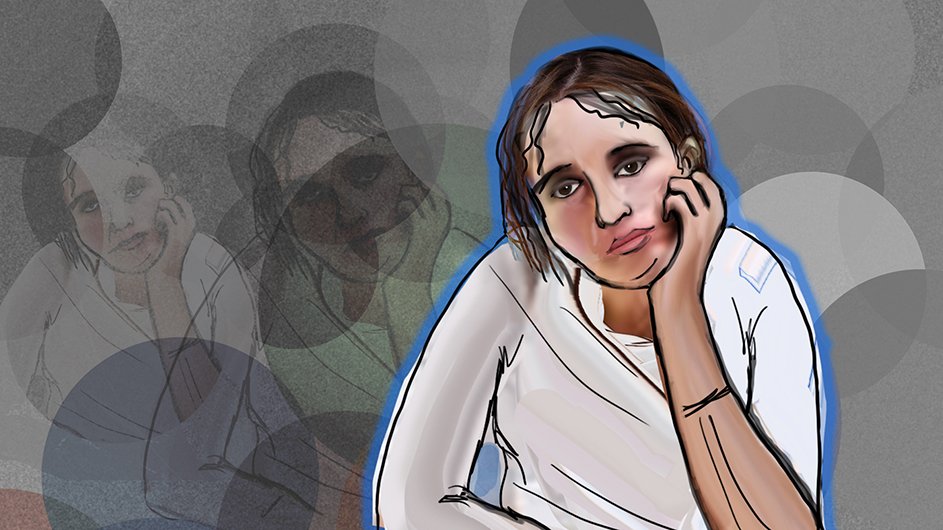
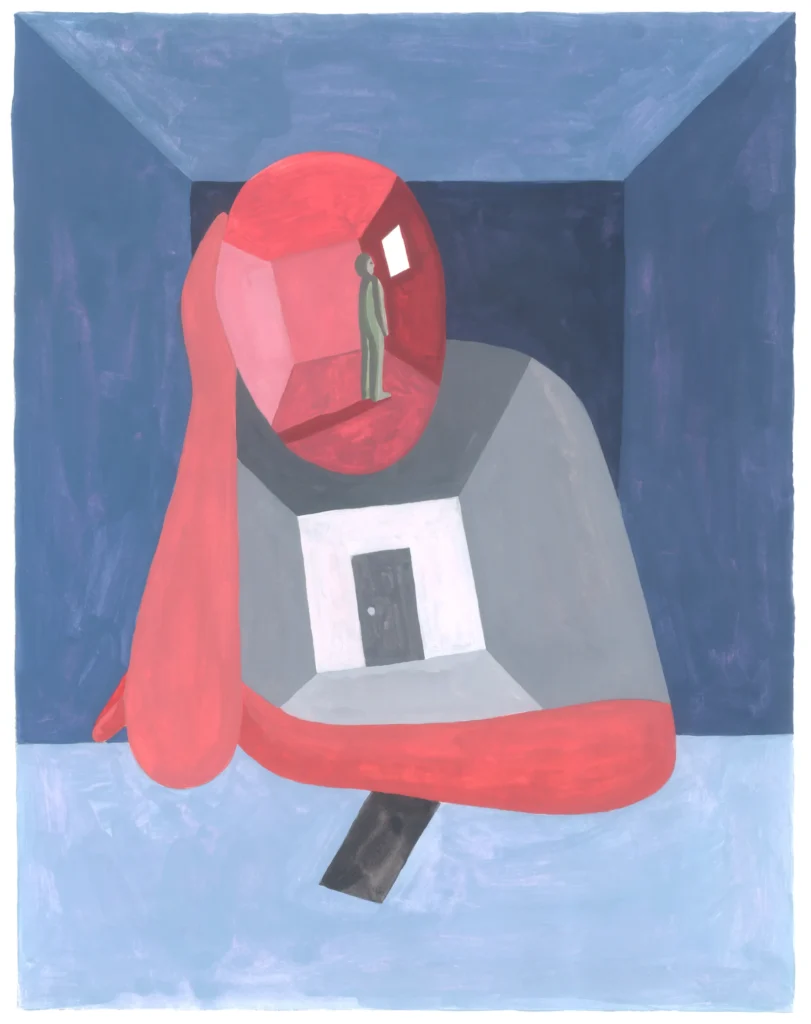
Boredom is often misunderstood as free time or lack of discipline. In reality, it is a silent human risk condition.
Across the world, millions of people wake up every day with:
no clear purpose
no meaningful engagement
no direction to move forward
This silent struggle rarely appears in medical reports or police records at first.
But inside homes and communities, it grows like a slow disease.
The Hidden Mental Health Crisis
This makes boredom a starting point of mental vulnerability, not a harmless phase.
Why This Is Not Just a Personal Problem
When many individuals suffer silently, the cost spreads quietly across society.
Families weaken. Productivity falls. Healthcare and policing costs rise. Communities lose trust and dignity.
This is not only a mental-health issue.
It is a human risk issue.
Most systems respond after breakdown — after illness, after crime, after collapse.
Very few act at the earlier stage, when people feel bored, directionless, stressed and invisible.
By the time help arrives, the emotional and economic cost is already high.
Prevention is cheaper. Direction is stronger than discipline.
Our Approach: Transforming Boredom into Purpose
We work where most systems don’t —
before stress becomes sickness, and frustration turns into risk.
We do not diagnose illness.
We restore the foundations that protect mental wellbeing:
How the Program Works - The Transformation Journey
Deliver measurable inner shifts that reduce risk and restore dignity.
We don’t teach confidence. We remove what destroys it.
What participants -
realise: experience: feel:
I am not useless. I just lost direction:
My mind feels lighter.
I didn’t realise how much I was holding inside:
I am part of something again.
I matter:

People don’t lose confidence because they failed once.
They lose it because life kept pushing them down without pause.
Participants:
understand how self-doubt began
recognise negative self-talk patterns
separate who they are from what happened to them
rebuild self-respect, clarity and emotional stability
What participants say:
“I thought something was wrong with me. Now I understand what happened.”
Outcome:
People feel grounded, calmer and mentally stable again — the first break in the boredom–stress cycle.
Stress doesn’t disappear on its own.
It accumulates quietly — turning into anger, silence, irritation or illness.
Participants:
understand how stress builds in daily life
safely release mental and emotional pressure
practice grounding and emotional regulation
experience physical and mental relief
What participants say:
“My head feels clear after a long time.”
Outcome:
Reduced overthinking, better sleep and improved emotional balance.
Boredom is not laziness.
It is energy with nowhere to go.
Participants:
discover genuine interests and strengths
learn to structure time meaningfully
create simple, realistic next steps
What participants say:
“I finally know what to do next.”
Outcome:
Boredom dissolves into engagement. Motivation returns.
When people feel useless, they slowly disconnect from others.
Participants:
connect with others facing similar struggles
practice respectful dialogue and communication
restore trust, belonging and contribution
What participants say:
“I don’t feel alone anymore.”
Outcome:
Stronger individuals create healthier families and safer communities.
Boredom is growing. Stress is growing. Silent suffering is growing.
If ignored, the cost appears later — in hospitals, police stations and broken homes.
If addressed early, the outcome is different: purpose, dignity and resilience.
Boredom is not a phase.
It is a warning sign.
Partner with us to prevent mental vulnerability, restore purpose and strengthen communities — before silent suffering becomes irreversible damage.